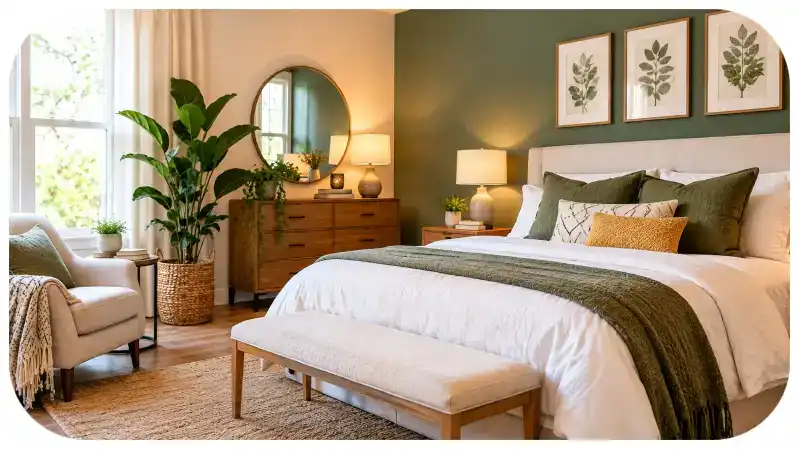
Creating a beautiful home does not always require a large budget or a complete makeover. The right details can make a room feel fresh, balanced, and welcoming. These decoration tips decoradhouse from decoratoradvice can help you make smarter choices while keeping your personal style at the center of every room. From choosing colors to arranging furniture, simple changes can have a big effect.
If you want practical ideas without making your home feel overdecorated, decoration tips decoradhouse from decoratoradvice can give you a useful starting point. The goal is not to copy a particular look. Instead, use decorating ideas as inspiration and adjust them to fit your space, lifestyle, and taste.
Start With a Clear Decorating Plan
Before buying new furniture or accessories, decide what you want from the room. Think about how you use the space every day. A living room used for family gatherings needs a different setup from a formal sitting area.
Start by identifying three things:
- The main purpose of the room
- The style you prefer
- The changes you can realistically make
A simple plan can prevent unnecessary purchases. It also makes it easier to create a room where each item has a purpose.
Decoration Tips Decoradhouse From Decoratoradvice for Better Color Choices
Color can completely change how a room feels. Light shades can make a small space appear more open, while deeper colors can create a cozy atmosphere.
You do not need to use many colors. Choose one main color and add one or two supporting shades. Neutral walls work well with colorful cushions, artwork, rugs, or curtains.
Before painting an entire room, test a small section of the wall. Natural and artificial light can make the same color look very different throughout the day.
Use the 60-30-10 Color Approach
A simple decorating rule can help you balance colors:
- 60%: Main color, usually walls and large surfaces
- 30%: Secondary color, such as furniture or curtains
- 10%: Accent color, used for smaller decorative pieces
You do not have to follow this rule perfectly. Use it as a guide when a room feels visually unbalanced.
Choose Furniture for Comfort and Function
Good decoration is not only about appearance. Your furniture should also make the room comfortable and useful.
Measure your room before purchasing large pieces. Leave enough space for people to walk around easily. Avoid filling every empty corner simply because there is room for another chair or table.
A few well-chosen pieces often look better than a crowded arrangement. For example, a comfortable sofa, practical coffee table, and attractive accent chair may be enough for a balanced living room.
Create a Focal Point
Every room benefits from having something that naturally attracts attention. This could be a fireplace, artwork, an attractive light fixture, a feature wall, or a large mirror.
Once you choose the focal point, arrange other elements around it. This creates visual order and makes the room easier to appreciate.
Avoid giving every object equal attention. Too many competing focal points can make a room feel busy.
Decoradhouse Ideas for Layering Textures
Texture adds depth to a room. Even a neutral space can feel interesting when you combine different materials.
Try mixing:
- Cotton or linen cushions
- Woven baskets
- Wooden furniture
- Soft rugs
- Ceramic accessories
- Metal accents
- Glass decorations
The key is balance. You do not need dozens of textures. A few contrasting materials can make a room feel warmer and more complete.
Use Lighting as Part of the Decoration
Lighting deserves more attention than it often receives. The right lighting can improve both the mood and appearance of a room.
Use different layers of lighting when possible. Combine general lighting with task lighting and decorative lighting.
For example, a living room might use a ceiling light for general illumination, a floor lamp beside a chair for reading, and a table lamp for a softer evening atmosphere.
Warm lighting can create a relaxing feel, while brighter lighting works well in areas where you need to focus.
Add Greenery for a Fresh Look
Plants can make a room feel more lively. You can use large floor plants, small tabletop plants, or hanging planters depending on the available space.
If you do not have much time for plant care, choose varieties that suit your experience and home conditions. Artificial plants can also work when used carefully, especially in areas with little natural light.
Place greenery where it complements the room instead of hiding important furniture or blocking walkways.
Decorate Walls Without Making Them Look Crowded
Blank walls can make a room feel unfinished, but covering every wall can create the opposite problem.
Choose wall decorations that fit the size of the room. A large piece of artwork can work well above a sofa, while a collection of smaller frames may suit a hallway or narrow wall.
Keep spacing consistent when creating a gallery wall. Lay the arrangement on the floor first so you can experiment before putting holes in the wall.
Mirrors are another useful option. They can reflect light and make a room appear more spacious.
Make Small Spaces Feel Larger
Small rooms require careful decoration. Start by reducing visual clutter.
Choose furniture that fits the scale of the room. Furniture with visible legs can sometimes make the floor feel more open. Light-colored walls and strategically placed mirrors can also help create a sense of space.
Use storage wisely. Baskets, shelves, storage ottomans, and cabinets can keep everyday items organized without sacrificing style.
Personalize Your Home
The best decorating ideas should still feel like you. Add items that have meaning, such as travel souvenirs, family photographs, favorite books, handmade pieces, or artwork you genuinely enjoy.
Personal objects can make a home feel authentic. You do not need to follow every decorating trend. Trends change, but your personal preferences can give your home a lasting character.
Avoid Common Decorating Mistakes
Even a well-planned room can lose its appeal because of a few simple mistakes.
One common mistake is buying furniture without measuring the space. Another is using too many decorative items at once.
Other problems include:
- Poor furniture placement
- Insufficient lighting
- Too many competing colors
- Ignoring room proportions
- Choosing style over comfort
- Creating clutter on open surfaces
Take your time before making major changes. Step back and look at the room as a whole.
Refresh Your Home Without a Major Makeover
You do not need to redesign an entire home to create a noticeable change. Small updates can refresh a room quickly.
Move furniture into a new arrangement. Replace old cushion covers. Add a rug, mirror, artwork, or plant. Rearrange books and decorative objects on shelves.
You can also change the atmosphere by updating curtains or improving lighting. These smaller projects often cost less than replacing major furniture.
Decoration Tips Decoradhouse From Decoratoradvice for a Stylish, Practical Home
The most useful decorating approach combines style with everyday function. Your home should look good, but it should also work for the people who live there.
Keep frequently used items easy to reach. Give everything a practical place. Leave enough open space to move comfortably. Then add decorative details that support the overall design.
Remember that a stylish room does not have to look perfect. A home should feel comfortable and lived in. Small imperfections can actually make a space feel more personal.
Final Thoughts
Good home decoration starts with thoughtful choices rather than expensive purchases. Focus on color, furniture placement, lighting, texture, storage, and personal details. These elements can work together to create a home that feels comfortable and attractive.
The best decoration tips decoradhouse from decoratoradvice are the ones you can adapt to your own space. Start small, avoid clutter, and make changes that support your lifestyle. With a little planning, even simple updates can give your home a fresh and stylish appearance.
For more information, visit our site daily.