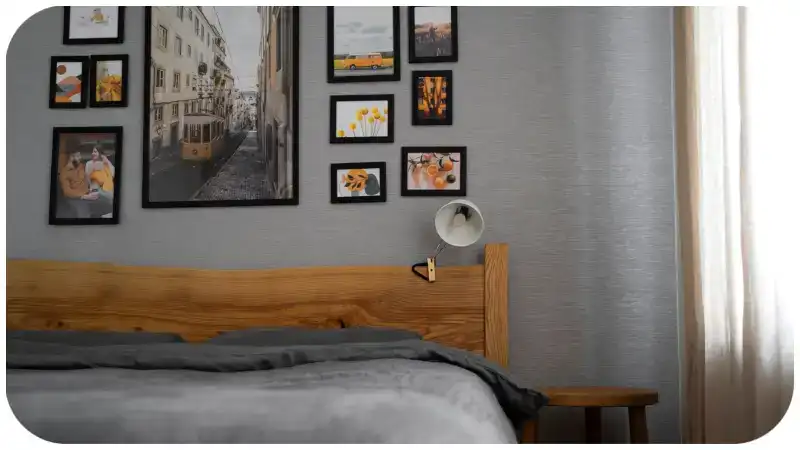
Small apartments often feel challenging to decorate because every inch matters. A gallery wall solves this problem by adding personality, depth, and visual interest without taking up floor space. When planned correctly, it can make a compact room feel larger, brighter, and more organized.
A well-designed gallery wall also helps renters and homeowners flexibly express their style. You can display art, family photos, travel memories, prints, or mirrors while keeping the room balanced and uncluttered. Whether you prefer modern minimalism or cozy eclectic decor, the right arrangement can transform a plain wall into the focal point of your apartment.
Why Gallery Walls Work Well in Small Apartments
Small apartments benefit from vertical decorating because wall space is often underused. Instead of adding bulky furniture or oversized accessories, a gallery wall draws the eye upward and creates the illusion of height. This makes the room feel more open and visually layered.
Another reason gallery walls work so well is flexibility. You can adjust the arrangement over time without replacing major furniture pieces. Many renters use removable hooks or lightweight frames to personalize their space without damaging walls.
Gallery walls also help tie together different design elements in a small room. For example, matching frame colors can connect your sofa, rug, and curtains into one cohesive style. This creates harmony and prevents the apartment from feeling chaotic.
If you want more compact decorating inspiration, readers can also explore Decorator Advice content on small living room decor ideas and space-saving apartment styling tips for related solutions.
Key Takeaway: Gallery walls maximize vertical space, add personality, and make small apartments feel more organized without adding clutter.
What Is a Gallery Wall?
A gallery wall is a curated arrangement of artwork, photographs, mirrors, prints, or decorative objects displayed together on a wall. Instead of hanging one large piece, multiple smaller pieces work together to create a unified design.
Many people use gallery walls to create collage displays that showcase personal memories and creative interests. The layout can be symmetrical for a clean and modern appearance or asymmetrical for a more relaxed and artistic style.
In compact apartments, gallery walls are especially useful because they provide a strong visual impact while using limited square footage.
Key Takeaway: A gallery wall combines multiple decorative pieces into one cohesive arrangement that enhances style and saves space.
How to Choose the Best Wall for Your Gallery Display
Choosing the right wall is the first step toward a balanced design. In small apartments, the most effective gallery walls are usually placed where they naturally attract attention.
Ideal Locations for Small Apartment Gallery Walls
- Above the sofa in the living room
- Along a hallway or narrow corridor
- Around a television unit
- Above a bed or desk
- Near the dining nook
- Around the entryway, storage benches
Walls with good natural light help artwork stand out better. However, avoid direct sunlight if you display valuable photographs or original artwork because UV exposure can cause fading over time.
According to the Smithsonian American Art Museum, prolonged direct sunlight may damage artwork and photographs, making proper placement important for preservation.
Another important factor is scale. A tiny arrangement on a large wall can look disconnected, while oversized artwork may overwhelm a small apartment. Aim for a layout that fills around two-thirds of the available wall space.
Key Takeaway: The best gallery wall locations are visually central areas where the arrangement complements furniture without overwhelming the room.
How to Create Collage Arrangements Without Clutter
One of the biggest mistakes in apartment decorating is overcrowding the wall with too many unrelated pieces. To create collage displays successfully, every item should contribute to a shared visual theme.
Pick a Consistent Theme
A consistent theme helps the arrangement feel intentional. Popular gallery wall themes include:
- Black-and-white photography
- Nature prints and botanical art
- Abstract modern artwork
- Travel memories and postcards
- Family portraits
- Neutral minimalist designs
- Vintage-inspired collections
You do not need identical artwork, but there should be one unifying element. This could be matching frame colors, similar tones, or repeated shapes.
Use the Right Spacing
Spacing matters more in small apartments because crowded walls can make the room feel smaller. Keep gaps between frames around 2 to 3 inches for a balanced appearance.
Before hanging anything, arrange the layout on the floor first. Some decorators also tape paper templates to the wall to test positioning.
Mix Frame Sizes Carefully
A mix of large and small frames creates visual rhythm. However, avoid placing too many oversized frames together in compact rooms. One medium focal piece surrounded by smaller artwork often works best.
To create collage designs with depth, combine:
- Vertical frames for height
- Horizontal frames for width
- Circular mirrors for softness
- Small shelves for layered decor
The goal is balance rather than perfect symmetry.
Key Takeaway: To create collage arrangements successfully, use consistent themes, balanced spacing, and mixed frame sizes that complement the room instead of overcrowding it.
Best Gallery Wall Layouts for Small Spaces
Different layouts create different visual effects. Choosing the right one depends on the apartment’s size and overall style.
Grid Layout
A grid layout uses evenly spaced frames in straight lines. This style works well in modern apartments because it looks organized and clean.
Best for:
- Minimalist interiors
- Small living rooms
- Home offices
- Black-and-white photography
Salon Style Layout
Salon-style arrangements feature varied frame sizes placed closer together. This style feels artistic and layered.
Best for:
- Eclectic interiors
- Creative studios
- Vintage-inspired apartments
- Colorful artwork collections
Linear Layout
A linear arrangement places frames in one horizontal or vertical line. This is ideal for narrow walls and hallways.
Best for:
- Tiny apartments
- Narrow corridors
- Above headboards
- Entryways
Centered Layout
This layout begins with one central piece and builds outward symmetrically.
Best for:
- Above sofas
- Dining areas
- Balanced modern spaces
According to Better Homes & Gardens, centered arrangements often create the most visually calming effect in compact rooms because they provide structure and symmetry.
Key Takeaway: The right gallery wall layout depends on your apartment’s style, available space, and desired visual effect.
Choosing Colors and Frames for a Cohesive Look
Color coordination helps small apartments feel calmer and more spacious. Too many competing colors may make the room appear visually crowded.
Stick to a Limited Color Palette
Choose two or three dominant colors that already exist in the room. This creates continuity between the gallery wall and the surrounding furniture.
For example:
- Neutral rooms pair well with black, white, or wood frames
- Coastal interiors work with soft blues and sandy tones
- Scandinavian apartments look best with light woods and minimal artwork
- Industrial spaces benefit from black metal frames and monochrome art
Match Frame Styles Strategically
Matching every frame creates a polished look, while mixing frame materials adds personality. In smaller apartments, too many frame styles can feel overwhelming.
A simple rule is:
- Use matching frames for clean modern spaces
- Mix materials carefully for eclectic interiors
- Keep frame thickness similar for visual consistency
You can also include mirrors to reflect light and make the apartment appear larger.
Key Takeaway: Consistent colors and thoughtfully selected frames help gallery walls feel intentional and visually calming in small apartments.
Smart Tips for Renters and Budget Decorators
Designing a gallery wall does not require expensive artwork or permanent renovations. Many renters create stylish displays using affordable and removable solutions.
Use Removable Hanging Products
Adhesive strips and removable hooks prevent wall damage while allowing flexibility. This is especially useful if you rearrange decor frequently.
Print Affordable Digital Art
Many online marketplaces offer downloadable prints that can be printed at home or through local print shops. This makes it easier to refresh your gallery wall seasonally.
Repurpose Personal Items
You can frame:
- Fabric samples
- Magazine pages
- Postcards
- Children’s drawings
- Maps
- Vinyl record covers
- Pressed flowers
These personal touches often feel more meaningful than generic store-bought art.
Add Floating Shelves
Floating shelves allow layered displays without committing to fixed layouts. They also make swapping artwork easier.
Readers looking for more affordable decorating solutions may also enjoy Decorator Advice resources on budget-friendly apartment decorating and easy renter-friendly upgrades.
Key Takeaway: Renters can build stylish gallery walls using removable hardware, affordable prints, and meaningful personal items.
Common Gallery Wall Mistakes to Avoid
Even beautiful artwork can look messy if the arrangement lacks structure. Avoiding a few common mistakes helps maintain a polished appearance.
Hanging Artwork Too High
Artwork should generally sit at eye level. If frames are too high, the arrangement feels disconnected from the furniture below.
Ignoring Furniture Proportions
The gallery wall should relate to the size of nearby furniture. For example, a wall above a sofa should not extend dramatically beyond the sofa’s width.
Using Too Many Styles at Once
Combining modern, rustic, glam, and vintage decor without a unifying element often creates visual confusion.
Overcrowding the Wall
Blank space is important. Negative space allows each piece to stand out and prevents visual fatigue.
Forgetting Lighting
Wall sconces, picture lights, or nearby lamps can dramatically improve how artwork appears during the evening.
Key Takeaway: Proper scale, spacing, and lighting keep gallery walls visually balanced and prevent small apartments from feeling cluttered.
Conclusion
A thoughtfully designed gallery wall can completely change the atmosphere of a small apartment. It adds personality, improves visual balance, and makes limited spaces feel more intentional. With the right layout, spacing, colors, and frame choices, even the smallest wall can become a stylish focal point.
The key is to create collage arrangements that feel cohesive rather than crowded. Start with a clear theme, use consistent spacing, and choose pieces that reflect your personality. Whether you prefer minimalist grids or layered artistic displays, a gallery wall offers one of the most flexible and affordable ways to personalize apartment living.
For more information, visit our website.
Final Takeaway: A successful small apartment gallery wall combines smart spacing, cohesive styling, and personal touches to maximize visual impact without creating clutter.