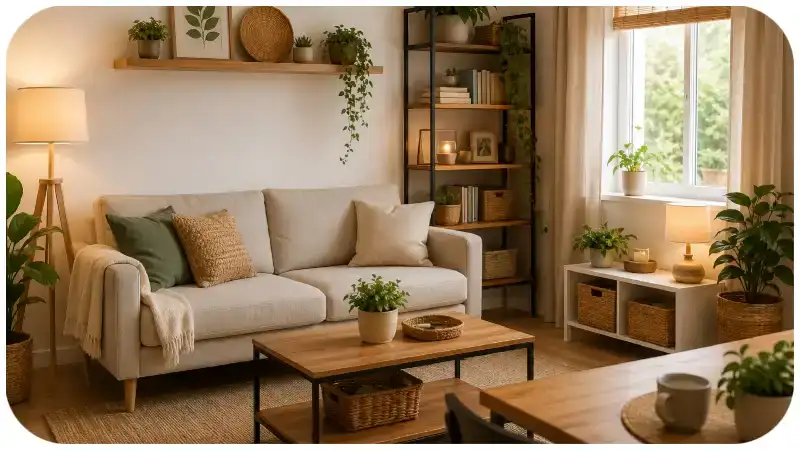
Most people think a well-managed home depends on expensive décor or constant cleaning, but in reality, it’s built through small, smart systems that fit into everyday life. Once you understand how your space actually functions, even minor changes can make your home feel calmer, more organized, and easier to live in. This idea is at the heart of ththomable home tips from thehometrotters, where the focus is not perfection but practicality.
Instead of overwhelming rules or complicated setups, the real goal is to simplify how your home supports your daily routine. That’s why many people look for ththomable home tips from thehometrotters—they want realistic, usable ideas that actually work in real homes, not just in design magazines.
Building a Home That Works With You, Not Against You
A functional home starts with understanding one simple principle: every space should reduce effort, not increase it.
Most homes become stressful not because they are small, but because they are poorly structured. When items don’t have clear places, or when spaces serve too many purposes, daily routines become tiring.
Simple but powerful changes:
- Keep daily-use items exactly where action happens
- Reduce “walking steps” between common tasks
- Avoid mixing storage for unrelated activities
One overlooked insight from practical homemaking systems is this: a good home removes friction from your life. If something feels annoying repeatedly, the problem is usually layout, not effort.
Kitchen Flow: Small Adjustments, Big Time Savings
The kitchen is where small inefficiencies turn into daily frustration.
Instead of redesigning everything, focus on micro-improvements.
Practical hacks:
- Create mini “task zones” (prep, cooking, cleaning)
- Keep only 5–7 daily essentials visible
- Store rarely used items in higher or lower cabinets
This reduces mental load during cooking because your brain doesn’t have to “search” every time.
A practical idea aligned with ththomable home tips from thehometrotters is reducing decision points. The fewer choices you make in routine tasks, the faster and calmer your day becomes.
Living Room Simplicity: Less Noise, More Comfort
A living room often feels messy not because of dirt, but because of visual overload.
Smart improvements:
- Limit décor clusters to 2–3 zones only
- Keep one “focal point” (TV, artwork, or seating area)
- Use consistent color tones instead of mixed styles
Here’s something most people ignore: space is not wasted space. It actually improves visual breathing room and makes the area feel larger.
Even small adjustments like removing one chair or reducing visible items can completely change how the room feels.
Bedroom Environment: Design for Mental Rest
Your bedroom should help your mind slow down, not stay active.
Useful but underrated hacks:
- Keep lighting indirect and warm
- Avoid storing work-related items in bedroom
- Use closed storage instead of open shelves
A simple rule that works well: if something makes you think too much, it doesn’t belong in the bedroom.
This aligns with the practical thinking behind ththomable home tips from thehometrotters, where comfort is treated as a system, not decoration.
Bathroom Clarity: The Most Ignored Comfort Zone
Bathrooms often create silent stress when they are not organized properly.
Simple improvements:
- Keep only “daily essentials” visible
- Use wall hooks instead of counter space
- Separate backup supplies completely
The goal is to make your morning routine automatic and distraction-free.
Even small clutter here can affect your mood more than you expect.
Easy Daily Habits That Maintain Order Automatically
A clean home is not built through deep cleaning—it is built through micro habits.
Try this system:
- 5 minutes in the morning: reset visible surfaces
- 2 minutes after tasks: return items immediately
- 10 minutes at night: final reset before sleep
This prevents buildup, which is the real reason homes become messy.
A key principle often reflected in ththomable home tips from thehometrotters is that consistency beats intensity every time.
Why Most Homes Feel Cluttered Even When They Are Clean
This is something many people don’t realize.
Even if a home is technically clean, it can still feel chaotic because:
- Too many objects are visible
- Colors are inconsistent
- Storage is exposed instead of hidden
Visual order is just as important as physical cleaning. When your eyes see calm, your mind feels calm.
Affordable Improvements That Make a Big Difference
You don’t need a renovation to improve your home.
High-impact changes:
- Switch to warm lighting
- Reorganize furniture layout
- Use matching storage containers
- Add one natural element per room
These small steps create a noticeable shift in atmosphere without major spending.
Final Thoughts
A well-designed home is not about luxury—it’s about ease. When your environment supports your habits, life becomes smoother, calmer, and more enjoyable.
The real value of ththomable home tips from thehometrotters is not in individual hacks, but in the mindset: simplify everything that doesn’t need to be complicated.
When you apply this approach consistently, your home naturally becomes more organized, more peaceful, and much easier to maintain.