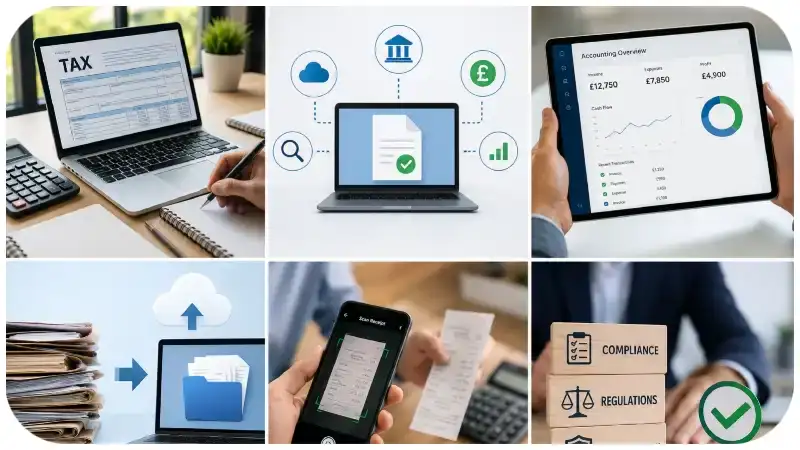
The UK tax system has evolved significantly in recent years, with one of the most substantial updates being the shift toward online financial reporting. This modern approach is designed to help individuals and businesses manage their accounts in a simpler, more accurate way. If you are a business owner or self-employed worker, understanding the Making Tax Digital (MTD) initiative is now more important than ever in 2026.
In simple terms, this transition means replacing paper-based records with secure software. It helps reduce errors, improve efficiency, and streamline reporting for everyone. In this guide, we will break down everything you need to know clearly and practically.
Making Tax Digital UK: A Simple 2026 Overview
The UK government introduced this framework to modernize the entire revenue collection process. At its core, the mandate requires businesses and individuals to keep digital financial logs and submit their returns using approved software.
This system mainly affects VAT-registered companies, self-employed individuals, and landlords. Instead of filing manual tax returns once a year, users must now update their records more regularly using compatible tools.
One major benefit of digital record-keeping is accuracy. When data is logged electronically, there is less chance of human error. It also helps businesses stay organized throughout the year instead of rushing during the traditional deadline week.
As His Majesty’s Revenue and Customs (HMRC) continues to expand these requirements in 2026, more taxpayers are being brought into scope. If you have not transitioned to a compatible accounting platform yet, now is the time to prepare.
Key Requirements for Compliance
To comply with the new regulations, businesses must follow a few important rules:
-
Maintain Electronic Records: Log all income, expenses, and invoices digitally.
-
Use Approved Software: Submit periodic updates directly to HMRC using compatible digital tools.
-
Regular Updates: Instead of waiting until the end of the financial year, accounts must be updated continuously.
This is where understanding the digital transition becomes crucial for compliance. It is no longer just a recommendation—it is a legal requirement for a large portion of UK taxpayers. Businesses that ignore these rules may face financial penalties or delays in processing their submissions.
In addition, the framework encourages better financial planning. Since records are updated in real time, you can easily track profits, business expenses, and cash flow without confusion.
Benefits for Businesses
One of the biggest advantages of this digital shift is improved operational efficiency. Businesses save hours by using automated features instead of dealing with manual paperwork. Electronic platforms also significantly reduce the stress typically associated with tax season.
Other major benefits include:
-
Fewer Mistakes: With automated entries and bank feeds, there is a lower risk of calculation errors.
-
Clearer Insights: Small businesses can easily monitor their monthly performance and make smarter financial decisions.
-
Anytime Access: Cloud-based software allows freelancers and remote workers to access their financial data securely from any device.
Challenges Businesses May Face
While the modern system offers many benefits, it also comes with initial hurdles. Some small businesses may struggle with the ongoing cost of premium software subscriptions. Others may need time to learn how to navigate new user interfaces properly.
Technical issues can also create friction, especially for users who are not familiar with online accounting tools. However, most software providers now offer dedicated training, free trials, and customer support to help users adapt quickly.
Despite these challenges, managing digital taxes is becoming easier as technology improves. Many platforms now offer simple dashboards and automated scanning features that reduce the learning curve.
How to Prepare for the Digital Tax System
If you are not already using modern accounting tools, the first step is choosing the right software. Look for HMRC-approved platforms (such as Xero, QuickBooks, or FreeAgent) that suit your business size and budget.
Next, start organizing your financial records:
-
Scan and store physical receipts digitally.
-
Link your business bank account to your software for automatic tracking.
-
Take advantage of free online tutorials to learn how submission features work.
Preparing early will save you time and stress in the long run while ensuring you stay fully compliant with UK tax rules.
Future Expansion in 2026 and Beyond
In 2026, the UK government is broadening the scope of digital mandates. A wider pool of self-employed individuals and landlords with incomes over specific thresholds are now expected to join the ecosystem.
This expansion aims to create a completely paperless tax environment. The ultimate goal is to eliminate manual data entry, making tax reporting faster, more transparent, and less prone to systemic errors.
Experts believe that digital submission will eventually become the standard for all categories of taxpayers. As automation improves, the process will become even more seamless, working quietly in the background of your daily business operations.
Tips for Smooth Compliance
To make the transition as seamless as possible, follow these simple tips:
-
Choose Reliable Software: Stick to trusted, HMRC-compatible platforms.
-
Update Records Regularly: Avoid backlogs by processing receipts weekly.
-
Go Paperless: Keep digital copies of all business expenses.
-
Seek Professional Advice: Consult an accountant if you are unsure about specific tax codes.
Conclusion
The UK tax system is moving toward a fully digital future, and these modern frameworks play a key role in that transformation. It helps businesses stay organized, reduce errors, and maintain better financial health.
By understanding the rules and preparing early, you can avoid penalties and make business management much easier. In 2026, adapting to this system is no longer optional for many—it is essential for staying compliant and efficient.
For more information, visit our site daily.