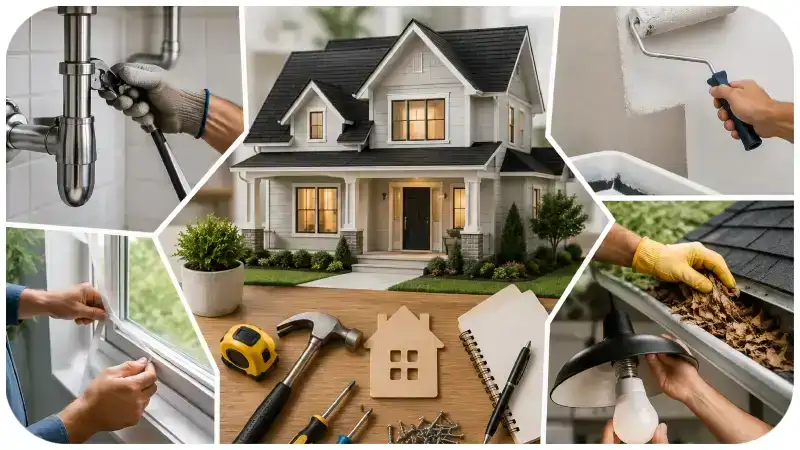
Owning a home is exciting, but it also comes with ongoing responsibility. Every house needs regular care to stay safe, efficient, and comfortable. Many homeowners assume upgrades and repairs are always expensive, but that’s not true. With smart planning and simple habits, you can improve your home without breaking your budget.
The idea behind home upgrades maintenance is simple: take small actions regularly instead of waiting for big, costly problems. When you stay consistent, your home lasts longer, looks better, and costs less to maintain.
In this guide, you’ll learn practical, real-world ways to upgrade and maintain your home using affordable methods that actually work in daily life.
Start with Simple Home Inspections
One of the smartest habits for homeowners is regular inspection. You don’t need special skills or tools. Just walk through your home once a month and look for small issues.
Check areas like:
- Kitchen sink and bathroom pipes for leaks
- Walls and ceilings for cracks or damp spots
- Doors and windows for air leaks
- Electrical switches and loose outlets
For example, a small dripping faucet may look harmless, but it can waste gallons of water every week and increase your bill. Fixing it early costs very little compared to waiting.
This simple routine builds the foundation of effective home care. It prevents bigger problems and keeps your repair costs under control.
Affordable Ways to Improve Your Living Space
You don’t need a full renovation to make your home feel new. Small upgrades can completely change how your space looks and feels.
One of the easiest improvements is paint. A fresh coat of paint can brighten a dull room in just a day or two. Light colors like white, beige, or soft gray make rooms look bigger and cleaner.
Lighting is another powerful upgrade. Many homes still use old bulbs or dim lighting. Switching to LED lights not only reduces electricity bills but also improves the mood of your space.
Furniture rearrangement is another free but effective trick. Moving your sofa or bed to a different position can make your room feel fresh without spending money.
Even small details matter:
- Replace old door handles
- Add wall shelves for storage
- Use simple curtains instead of heavy designs
These small changes create a big visual impact without a heavy budget.
Seasonal Maintenance That Saves Money
A smart homeowner follows a seasonal care plan. This helps avoid emergency repairs and spreads costs throughout the year.
Spring
- Clean gutters and remove leaves
- Check roof for winter damage
- Inspect plumbing for leaks
Summer
- Service your air conditioning system
- Check water pressure and outdoor taps
- Repair cracked walls or paint damage
Fall
- Seal windows and doors to block cold air
- Clean drainage systems
- Prepare heating systems
Winter
- Insulate pipes to prevent freezing
- Check for roof leaks after rain or snow
- Keep heating systems efficient
For example, cleaning your air filters in summer can improve cooling efficiency and reduce electricity bills by up to 15–20%.
This routine makes home care predictable and affordable instead of stressful and expensive.
DIY Repairs That Anyone Can Do
Many homeowners rely on professionals for small problems, but you can handle a lot of basic repairs yourself.
Here are a few easy examples:
Fixing minor leaks
A leaking faucet often just needs a rubber washer replacement. This costs very little and takes less than 30 minutes.
Patching wall holes
Small nail holes or cracks can be fixed with wall filler and sandpaper. After painting, the wall looks brand new.
Replacing fixtures
Changing a shower head or cabinet handle is usually simple and does not require expert help.
Unclogging drains
Basic drain cleaners or simple tools can solve most kitchen and bathroom blockages.
Learning these small skills saves money and builds confidence. You don’t need to be an expert—just willing to try simple tasks.
Energy Efficiency for Long-Term Savings
One of the most overlooked parts of home care is energy efficiency. Small improvements can reduce monthly bills significantly.
Start with insulation. If your home loses cool or warm air, your heating and cooling systems work harder. Sealing windows and doors helps fix this issue quickly.
Next, replace old appliances with energy-efficient models when possible. Even if they cost more upfront, they reduce electricity bills over time.
Smart thermostats are another great option. They adjust temperature automatically and prevent unnecessary energy use.
Simple habits also matter:
- Turn off lights when not in use
- Unplug devices on standby
- Use natural light during the day
These changes may seem small, but they add up to real savings every month.
Budget Planning for Home Upgrades
Good planning helps you avoid financial stress. Many homeowners overspend because they don’t set a clear budget.
Start by dividing your expenses into three categories:
- Emergency repairs
- Regular maintenance
- Small upgrades
Set aside a small amount every month for each category. Even a small savings plan can prepare you for unexpected repairs.
For example, instead of waiting for a broken pipe to become an emergency, you’ll already have funds ready for quick repair.
Also, compare prices before buying materials or hiring help. A little research can save you a lot of money.
Common Mistakes Homeowners Should Avoid
Many people make simple mistakes that lead to bigger expenses later.
One common mistake is ignoring small issues. A tiny crack in the wall or small leak may not look serious, but it can grow into a major repair.
Another mistake is delaying maintenance. Waiting too long often increases damage and repair costs.
Some homeowners also choose the cheapest materials without checking quality. Low-cost materials may wear out quickly and require frequent replacement.
Avoid rushing decisions. Always think long-term before starting any upgrade or repair.
Creating a Comfortable and Functional Home
A good home is not just about looks—it’s about comfort and function. You don’t need expensive design changes to improve your living space.
Start with cleanliness and organization. A clean home always feels larger and more relaxing.
Use smart storage solutions like:
- Under-bed boxes
- Wall-mounted shelves
- Multi-purpose furniture
Add personal touches like photos, plants, or simple décor items. These small details make your home feel warm and welcoming.
Natural light also plays a big role. Open curtains during the day to brighten your space and improve mood.
Comfort comes from smart choices, not expensive upgrades.
Final Thoughts
Home care does not have to be complicated or expensive. When you focus on small, regular actions, you prevent major problems and save money over time. Simple inspections, DIY repairs, and smart planning can completely change how you manage your home.
When you apply these ideas consistently, home upgrades and maintenance become a natural part of your routine instead of a stressful task. The key is not spending more—it’s caring smarter.
A well-maintained home is safer, more comfortable, and more valuable for the long run.