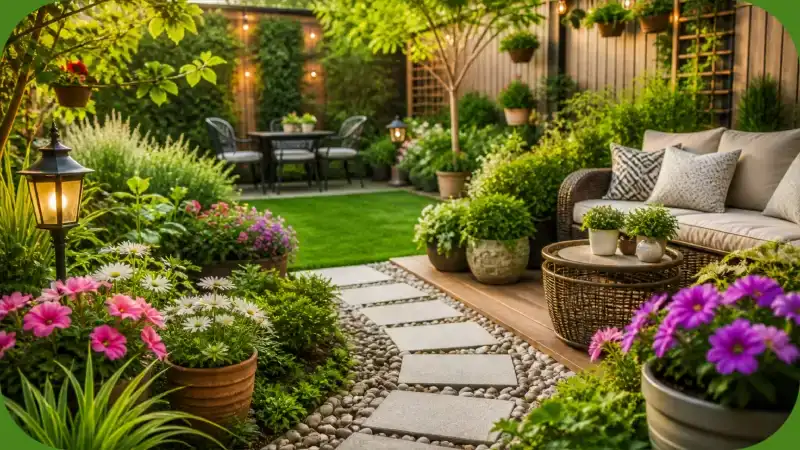
A few years ago, my backyard felt unfinished and, honestly, a bit frustrating. I tried different plants and setups, but nothing looked right for long. That’s when I started exploring practical gardening guidance and slowly changed my approach. The improvement didn’t come from big spending—it came from smarter decisions and consistency.
What really helped me was learning structured, real-life gardening approaches inspired by decoradhouse garden tips by decoratoradvice. Instead of overwhelming ideas, I focused on simple, workable steps that actually fit everyday homes.
Practical Garden Design That Fits Real Homes
One thing I realized early is that most garden advice online looks great but doesn’t always work in real spaces. My garden needed something realistic.
So I started by organizing the layout:
- A small seating area for daily use
- A planting section for greenery
- A clear walking path
This simple structure made everything feel more balanced. Even without adding new plants, the space instantly looked more intentional.
The key lesson here is simple: clarity in design matters more than complexity.
Choosing Plants That Don’t Create Extra Work
Earlier, I used to pick plants based only on appearance. That often led to disappointment because many didn’t survive in my conditions.
Over time, I shifted my focus:
- Plants that suit local weather
- Low-maintenance varieties
- Balanced mix of greenery and seasonal color
This approach reduced effort and improved long-term results. A garden should feel alive, not stressful to maintain.
Making the Garden a Usable Space
A garden should not stay unused. That was my biggest mistake in the beginning.
I added a simple seating corner with just a table and two chairs. No luxury setup—just something practical. That small change completely shifted how I used the space.
Now I spend more time outside, especially in the mornings and evenings. The garden became part of my daily routine instead of just a decoration. Lighting That Changes the Mood
Lighting was one of the most surprising improvements.
When I added soft solar lights and string lights, the atmosphere changed instantly. The space felt warmer, calmer, and more inviting at night.
Good lighting doesn’t need to be expensive. It just needs to be placed thoughtfully.
Adding Structure Without Overcomplicating Things
Before making changes, my garden felt scattered. There was no flow.
I fixed that by adding a simple walking path using stepping stones. It created direction and made the space easier to move through.
Sometimes, small structural improvements have the biggest visual impact.
Keeping Maintenance Simple and Realistic
One thing I strongly avoid now is overcomplicating maintenance.
My current routine is simple:
- Light watering schedule
- Occasional trimming
- Basic weed control using mulch
This keeps the garden healthy without turning it into a full-time task.
A garden should support your lifestyle, not control it.
Personal Touch Makes the Difference
What made my garden truly feel like mine were the small personal additions.
I added:
- A few decorative pots
- Comfortable outdoor cushions
- Simple handmade elements
These touches didn’t cost much, but they gave the space character and warmth.
Final Thoughts
Creating a better garden is not about perfection. It’s about gradual improvement and practical decisions. When I started focusing on real-life usability instead of complicated ideas, everything became easier.
In the end, I found that even simple changes inspired by decoradhouse garden tips by decoratoradvice can completely transform how a space feels.
A garden should be enjoyable, not stressful. Start small, stay consistent, and let it grow with you.
For more information, visit our site daily.